
The concept of luck in gambling
Luck is a fundamental concept that permeates the world of gambling, especially in casino games. It embodies the notion that the outcome of a game can be influenced by chance rather than skill or strategy. Many participants enter casinos with the belief that they will experience favorable outcomes, attributing their wins to good luck and sometimes even engaging with online pokies australia payid as a way to enhance their entertainment experience. This psychological phenomenon can lead to heightened excitement during gameplay, as players eagerly anticipate favorable results, reinforcing their belief in luck as a powerful force that can dictate their fortunes.
Moreover, the subjectivity of luck varies from person to person. While some individuals feel they are perpetually lucky, others may view themselves as unlucky. This perception can significantly impact how much time and money players are willing to invest in casino games. For instance, a player who believes in their own luck might take more risks, staking larger bets, while a self-identified unlucky player may play conservatively, limiting their gambling experience. This difference in perception shapes their overall gaming behavior and influences the enjoyment they derive from the experience.
This duality also interacts with superstitions and rituals common among gamblers. Many players develop habits or routines that they believe bring them luck, such as wearing specific clothing or performing certain actions before making a bet. This behavior illustrates the psychological connection between luck and personal belief, where the act of playing is not just a mathematical gamble but an emotional and psychic journey into one’s mythology surrounding luck. The rituals serve as a means for players to feel more in control, navigating the unpredictable world of chance with a belief in their own influence over the outcomes.
The role of perception in gaming outcomes
Perception plays an integral role in how players interpret outcomes in casino games. When individuals experience a win, the human brain often amplifies this success, leading to an inflated sense of their overall luck. Conversely, losses may be rationalized or downplayed, as players are inclined to focus on their occasional wins as evidence of their good fortune. This skewed perception can create a cycle where individuals return to the casino, driven by the belief that they are on the brink of another win, often ignoring the statistical realities of their gaming activities.
This phenomenon is closely tied to a cognitive bias known as the «illusion of control,» where players believe they can influence random events. For example, a player might think that by choosing specific numbers or cards, they can sway the game’s outcome in their favor. This belief can lead to persistent play, as players chase the elusive feeling of control amidst inherently random games. Such perceptions are critical to understanding the ongoing allure of casino gaming, as they contribute to the emotional highs and lows that define the gambling experience.
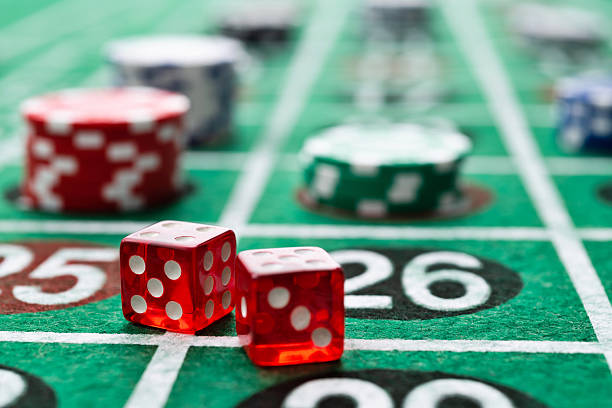
Furthermore, casinos capitalize on this perception by designing games and environments that enhance the feeling of luck. Bright lights, celebratory sounds, and visually appealing graphics are all employed to reinforce the illusion that luck is a tangible and attainable commodity while masking the true odds of winning. This manipulation of the sensory experience keeps players engaged and hopeful, further deepening their psychological investment in the outcomes of their games. By creating an atmosphere that feels vibrant and filled with potential, casinos effectively encourage players to remain immersed in the experience, often at the expense of rational decision-making.
The impact of randomness on player behavior
Randomness is at the core of every casino game, yet it also influences human behavior in unpredictable ways. Players often struggle with understanding and accepting the randomness of outcomes, leading to the development of myths such as «due» outcomes. For instance, if a player experiences a string of losses, they might presume they are «due» for a win, equating a string of bad luck with an imminent change in fortune. This belief can motivate further gambling, sometimes resulting in significant financial loss as players chase after their perceived fate.
This misunderstanding of randomness is compounded by the ways in which casinos present their games. The use of streaks and patterns can create a false sense of security, where players believe they can predict future outcomes based on past results. As players engage with games like slot machines or roulette, they often get lost in the rhythm of the game, becoming increasingly convinced that their next spin or roll will defy the odds. This cognitive distortion can escalate the thrill of gambling while obscuring the true nature of chance.
Additionally, the psychological mechanisms of hope and anticipation play a significant role in this dynamic. The unpredictability associated with random outcomes can elicit strong emotional responses. This mix of excitement, frustration, and elation often creates a powerful dopamine release in the brain, reinforcing the behavior of returning to the casino despite previous losses. The anticipation of winning in such a volatile environment can be addictive, making it challenging for players to walk away even when faced with unfavorable results. This cycle of hope and despair underscores the complexity of player engagement in casino settings.
The social dimension of luck in casinos
Casinos are not only places of solitary play but also serve as social environments where luck is a shared experience. The collective atmosphere can amplify feelings of luck, as players often cheer for others during significant wins, creating an undeniable sense of camaraderie. This social reinforcement can enhance the belief in luck, as players feed off each other’s energy, sharing stories of their fortunes and misfortunes, and establishing a communal narrative around luck. It is this shared experience that can deepen the emotional resonance of gambling, fostering connections between individuals based on their collective hopes and dreams.
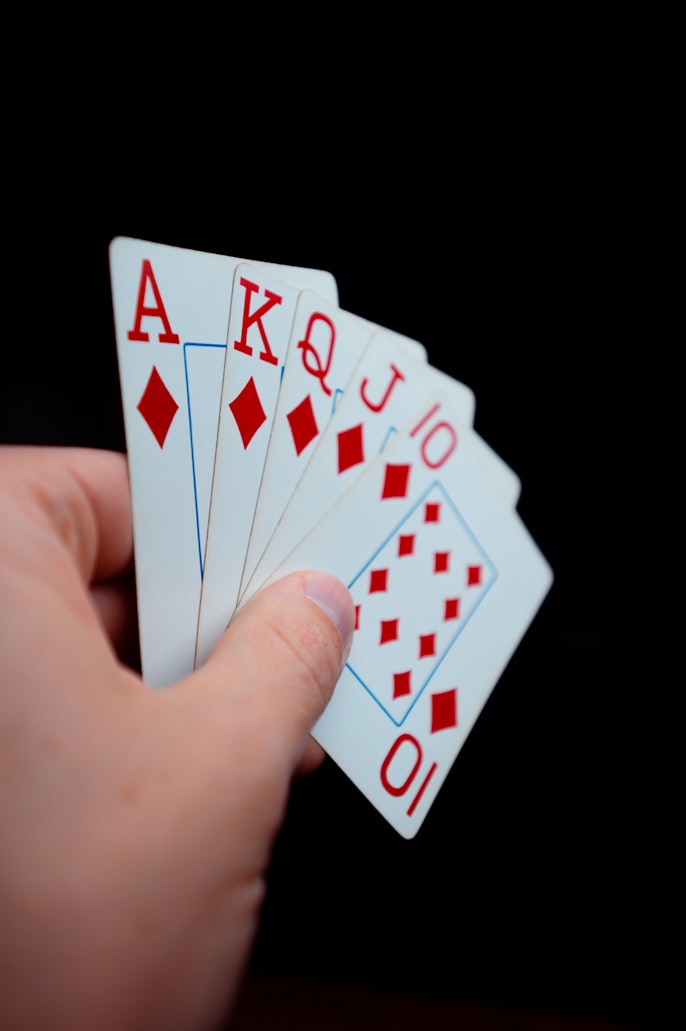
The interaction between players can transform individual experiences into a collective phenomenon where luck becomes a community story. When someone wins big, it ignites hope among others at the table, creating a contagious optimism that luck might soon strike them as well. This communal aspect serves to reinforce the psychology of luck, as players feel validated in their beliefs and actions through the shared experiences of those around them. Such dynamics can lead to a heightened sense of belonging, making the casino experience more fulfilling for many players.
Additionally, social dynamics in casinos can lead to a phenomenon known as «groupthink.» This can result in players collectively making riskier bets or chasing losses, emboldened by the presence of others who share their beliefs about luck. While this can enhance the thrill of the games, it can also lead individuals to overlook the inherent risks involved, resulting in behaviors that prioritize emotional satisfaction over sound financial judgment. Understanding this social dimension is essential for recognizing the complex interplay between personal psychology and collective behavior in casino environments.
Understanding luck through responsible gaming
As engaging as the concept of luck may be, it is vital for players to approach casino games with a clear understanding of responsible gaming practices. While the excitement of chance is alluring, recognizing the psychological traps associated with luck can help players make informed decisions. Understanding that luck is not a controllable entity, but rather a random occurrence can lead to healthier gaming habits and foster a rational approach to gambling. This awareness is crucial in cultivating a balanced perspective on the nature of gambling.
Recognizing one’s own mental biases, such as the illusion of control or the belief in «hot» streaks, can empower players to set limits on their gambling activities. Techniques such as self-monitoring and establishing financial and time limits before entering a gaming environment can significantly reduce the potential for negative consequences, allowing players to enjoy the thrill of gaming without falling prey to the whims of luck. By maintaining a critical eye on their own motivations, players can navigate the gambling landscape with greater awareness.
Moreover, casinos are increasingly promoting responsible gaming initiatives that encourage players to engage with their games mindfully. By providing resources, support, and education about the nature of luck and randomness, the industry aims to create an environment where players can enjoy gambling as a form of entertainment rather than a path to financial gain. This approach fosters a healthier relationship between people and gaming experiences, emphasizing enjoyment over the singular pursuit of winning. By instilling a sense of responsibility, both players and casinos can work together to create a more sustainable gaming environment.