
Understanding Luck in Casino Games
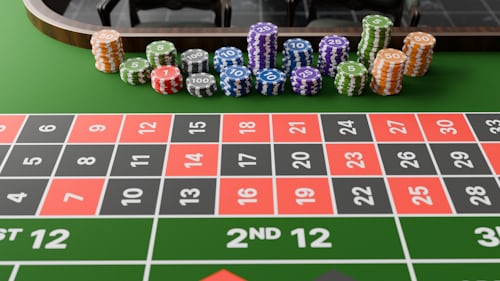
Luck plays a fundamental role in determining outcomes in many casino games. In games like slot machines and roulette, the unpredictability of results is primarily driven by chance, meaning that players often have little to no influence over the outcome. For instance, when spinning the reels of a slot machine, the result hinges on a random number generator (RNG), making it impossible for players to predict or manipulate the outcome. Additionally, many players find themselves exploring uk casino sister sites that offer similar experiences, as the thrill of potentially winning a huge jackpot with a single spin adds excitement to the experience.
Moreover, luck creates a unique atmosphere in casinos, where players from various backgrounds come together to try their fortune. The excitement of an unpredictable outcome not only enhances the gaming experience but also fosters camaraderie among players. Whether it’s cheering for a winning roll of the dice at the craps table or hoping for a winning hand in baccarat, the element of luck serves as a common thread that unites players in anticipation and excitement, often leading to memorable moments within the casino environment.
However, it’s important to understand that relying solely on luck can be risky. Many players may come to casinos with high hopes, believing that luck will favor them. Unfortunately, this belief can lead to significant losses, especially if players do not set limits on their gambling activities. Recognizing that luck is a transient aspect of gambling is crucial for a responsible gaming experience. Understanding the role of luck can help players make informed decisions and approach gambling in a more balanced manner, thus minimizing potential pitfalls associated with relying on chance alone.
The Role of Skill in Casino Games
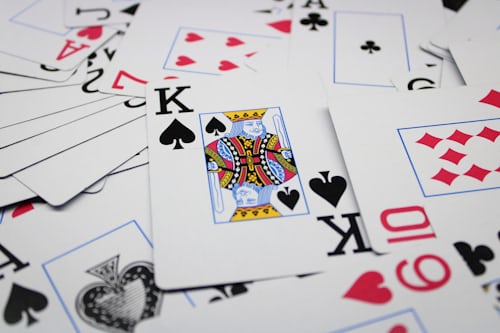
In contrast to games driven by luck, several casino games require a degree of skill and strategy to maximize winning potential. Poker is one of the most prominent examples, where players must not only rely on the cards they are dealt but also on their ability to read opponents, calculate odds, and make strategic decisions. Skilled players can manipulate the game dynamics by knowing when to bet aggressively or when to fold based on their assessment of the situation. This interplay of skill and psychology makes poker a complex game that can lead to significant profit for those who invest time in mastering it.
Another game that emphasizes skill is blackjack, where players have the opportunity to impact the outcome through strategic decisions such as hitting, standing, doubling down, or splitting pairs. Knowledge of basic strategy and the ability to count cards can significantly tilt the odds in favor of skilled players. While luck still plays a role in the cards drawn, the decisions made by the player can significantly influence their success. This ability to use strategy not only enhances the gameplay but also attracts individuals who enjoy intellectual challenges.
Ultimately, the impact of skill in casino games underscores the importance of understanding game mechanics and employing effective strategies. Players who invest time in learning the nuances of skill-based games can increase their chances of achieving long-term success while experiencing greater satisfaction from their gaming sessions. The blend of luck and skill creates a diverse gaming landscape, appealing to a wide range of players with varying preferences and abilities.
Comparing Outcomes: Luck vs. Skill
The comparison between luck and skill in casino games often leads to fascinating discussions among gamblers and enthusiasts alike. While luck can yield quick wins, it is skill that often sustains players over time. In games of pure chance, short-term victories may not always translate into long-term success since the odds remain constant regardless of personal input. Conversely, skill-based games like poker and blackjack present opportunities to mitigate losses and capitalize on favorable situations through informed decision-making.
Moreover, the variance in how luck and skill affect the games can create differing experiences for players. Those who enjoy the thrill of chance often find themselves drawn to slot machines and roulette, where the game’s outcome is largely determined by luck. In contrast, players who are drawn to strategy and competition seek out games that allow them to showcase their skills, engaging with others in tactical gameplay. This disparity leads to different types of enjoyment and satisfaction, shaping the overall gaming culture within casinos.
Understanding the balance of luck versus skill is essential for players when developing their gambling strategy. While both elements coexist in various games, discerning how much of each influences potential outcomes can guide players in choosing which games to invest their time and money in. As casinos continue to evolve, recognizing the interplay of luck and skill may also shape how operators design games to cater to diverse audiences seeking different types of gaming experiences.
The Psychological Aspect of Luck and Skill
The psychological factors at play in the realm of luck and skill can significantly influence a player’s experience and behavior. Many individuals often attribute their successes and failures to luck rather than skill, potentially leading to a distorted understanding of their performance. This illusion can result in a cycle of chasing losses, with players believing that luck will eventually turn in their favor. Acknowledging the role of skill versus luck can help individuals develop a more rational approach to gambling, fostering a healthier mindset towards their gaming habits.
Moreover, the experience of winning—whether through luck or skill—can trigger positive emotions, reinforcing gambling behavior. The thrill of a lucky win can create a euphoric experience that players may seek to replicate, often leading them to return to the casino in hopes of recapturing that feeling. Skillful play, on the other hand, provides a sense of accomplishment and mastery over the game, offering players fulfillment beyond simple monetary rewards. Understanding these psychological dynamics is essential for players to develop sustainable gambling habits.
Ultimately, the psychological distinction between luck and skill shapes players’ perceptions of their abilities and influences their gambling decisions. By recognizing how these elements affect their mindset and behavior, individuals can cultivate a more balanced approach to gaming. This self-awareness can enhance their overall experience, allowing players to enjoy their time in casinos while practicing responsible gambling.
Exploring Responsible Gambling on Our Website
At our website, we prioritize promoting responsible gambling practices while providing a comprehensive exploration of casino games and their attributes. We believe that understanding the balance of luck and skill is vital in fostering a responsible gaming environment. Our resources aim to equip players with the knowledge they need to make informed decisions, ensuring that their gaming experiences remain enjoyable and safe.
We encourage our visitors to engage with our content, which covers a wide range of topics related to casino games, including strategies for skill-based games, tips for managing gambling habits, and insights into the role of luck. Our goal is to create a supportive community that empowers individuals to understand their gaming preferences while being mindful of the potential risks involved.
By choosing to explore our website, players embark on a journey that promotes balanced gaming habits. We strive to provide clarity on the impact of luck versus skill, fostering deeper insights that enhance the overall casino experience. Join us as we delve into the thrilling world of gaming while advocating for responsible play and informed participation.